

Halong Bay stands as a UNESCO World Heritage site shaped by limestone karsts, calm waters, and a rhythm of four distinct seasons. Unlike destinations with a narrow travel window, Halong Bay offers year-round cruising. Each season brings a different mood—mist drifting across winter waters, fresh greenery in spring, warm seas in summer, and clear skies in autumn. The experience shifts, but the bay remains accessible in every month of 2026.
Understanding Halong Bay weather is not a detail—it is the key to planning well. Weather affects more than comfort. It shapes visibility, sea conditions, cruise routes, and even pricing. A clear autumn day offers long views across the bay, while summer brings warm water for swimming but a higher chance of storms. Winter can feel cool, yet it delivers quiet decks and a slower pace. These patterns influence crowd levels, budgets, and the small but real risk of cruise adjustments or cancellations.
You will gain a clear view of Halong Bay by season, supported by a month-by-month snapshot for 2026. You will understand when storms are most likely and how cruise operators respond. You will see which months align with your priorities, whether that is calm weather, lower prices, or fewer crowds. Finally, you will learn which Bhaya cruise—Classic, The Au Co, Legend, or Soul—fits each period best.
With the right timing, Halong Bay becomes more than a destination. It becomes a journey shaped by weather, pace, and purpose.
Halong Bay Weather Overview
Halong Bay sits in northern Vietnam, near Hanoi, and follows a humid subtropical climate with four distinct seasons: spring, summer, autumn, and winter. This pattern brings steady seasonal shifts rather than extreme changes. Temperatures range from the mid-10°C in winter to the mid-30°C in peak summer. A monsoon cycle shapes the year, with higher rainfall and occasional storms between June and August. On the water, conditions feel cooler and breezier than on land, which often makes cruising more comfortable than staying in the city.
Bhaya Cruises operates year-round, with each season offering a different rhythm. Winter and early spring favor quiet sailing, soft light, and wellness-focused journeys. Late spring and early autumn bring warmer seas and longer days, ideal for swimming and outdoor exploration. Understanding these patterns helps travelers match expectations with experience and choose the right itinerary with confidence.
Spring (March–April)
Spring brings mild weather, with temperatures around 18–23°C. Days alternate between gentle sun and light drizzle. March often feels quiet and slightly misty, while April becomes clearer and brighter. Sea conditions remain calm, which supports smooth cruising and stable itineraries.
This season suits travelers who value comfort over heat. Kayaking, cave visits, and light hiking feel easy without strong sun. Visibility improves in April, offering balanced light for photography. The main trade-off is occasional gray skies, especially in early spring, and water that remains cool for long swims.
- Best for: Couples, photographers, wellness-focused travelers
- Packing tips: Light layers, a compact rain jacket, sunscreen, and sneakers

Summer (May–September)
Summer brings heat, humidity, and vibrant sea life. Daytime temperatures often reach 28–32°C, and the sea becomes warm and inviting. Rainfall rises from May and peaks in July and August, when storms are more likely. These months carry higher uncertainty, though May and September often offer a more balanced mix of sun and value.
The season works well for travelers focused on water activities. Swimming, kayaking, and beach stops feel at their best in warm seas. Long daylight hours extend time on deck. However, heat can feel intense, and cruise schedules may adjust due to weather conditions. Domestic travel peaks during school holidays, which can increase demand.
- Best for: Confident swimmers, families, water-focused travelers
- Packing tips: High-SPF sunscreen, hat, UV swimwear, quick-dry clothing, sandals
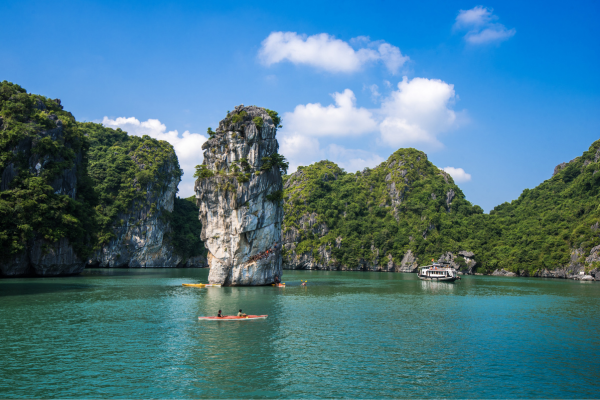
Autumn (October–November)
Autumn offers some of the most balanced conditions of the year. Temperatures settle in the mid-20s °C, humidity drops, and rainfall decreases. Skies often stay clear, and breezes remain light. Sea conditions are stable, which supports longer and more detailed itineraries.
This season suits first-time visitors and those seeking a complete Halong Bay experience. Clear views enhance time on the sundeck, while calm waters support kayaking and excursions. The trade-off is higher demand, especially in late autumn, which can affect availability and pricing.
- Best for: First-time visitors, couples, photographers, comfort-focused travelers
- Seasonal note: Late November begins the festive cruise period with early holiday offers
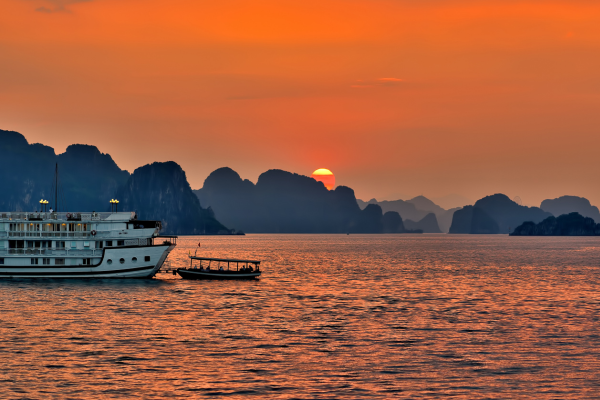
Winter (December–February)
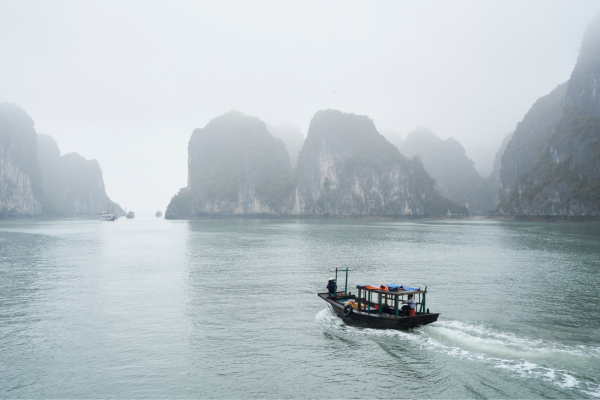
Winter brings cooler air, around 16–18°C, with low rainfall and calm seas. Mist often drifts across the bay, creating a soft and layered landscape. While sunshine appears less often, conditions remain stable for cruising.
This season appeals to travelers who value atmosphere and quiet. Sightseeing feels comfortable without heat, and cultural moments—such as Tet or year-end holidays—add depth to the journey. Swimming becomes less appealing, and some days may feel cloudy or breezy. Still, the bay gains a reflective quality that suits slow travel.
- Best for: Privacy seekers, culture-focused travelers, photographers
Best Time to Visit Halong Bay in 2026
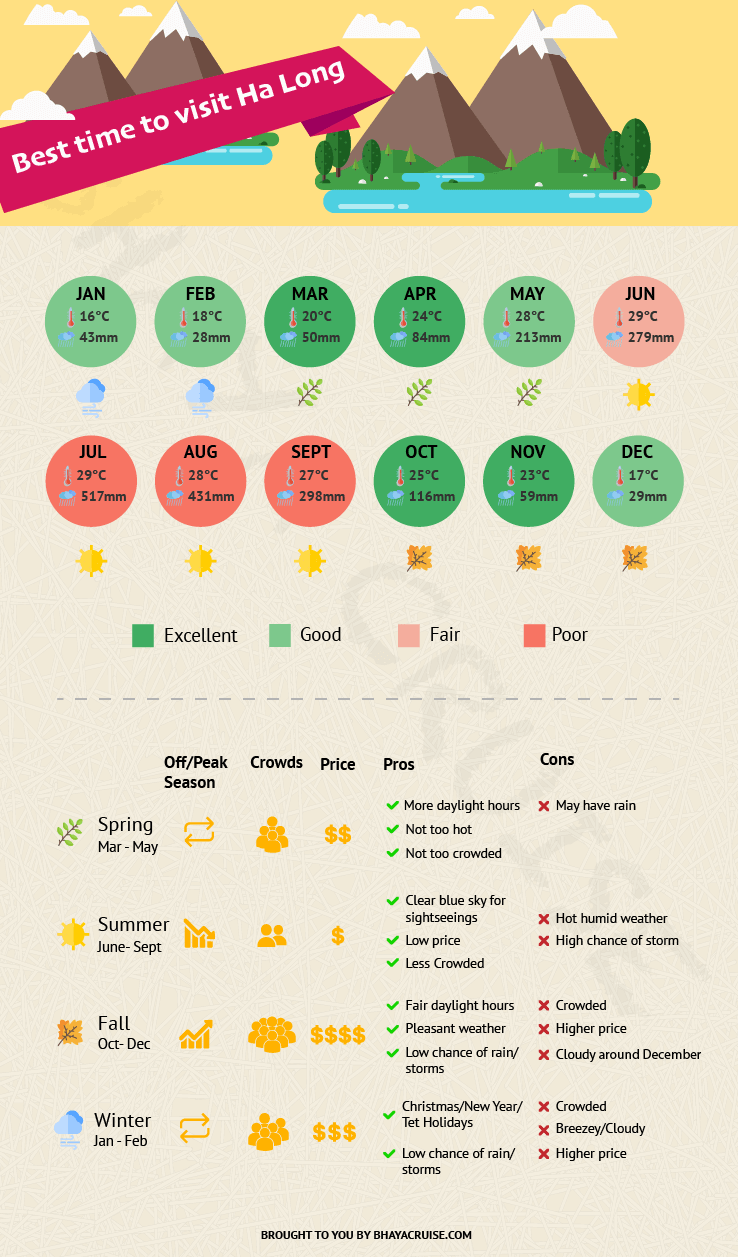
The best time to visit Halong Bay in 2026 depends on your priorities, but two clear windows stand out.
- For weather-first planning, March to May and September to November offer mild temperatures, lower rainfall, and stable sea conditions. These months allow full use of outdoor decks, excursions, and longer itineraries.
- For travelers focused on value, May, early June, and September provide a balance between price and experience. Conditions may be warmer or more changeable, but promotions and fewer international crowds can make the journey more flexible.
Each season shapes the experience differently: spring feels calm, summer feels active, autumn feels complete, and winter feels quiet and reflective.
- Best overall weather & scenery: March–May, September–November
- Best for swimming & water activities: May–September
- Best for fewer crowds: Winter months (except holidays)
- Best for savings: May, early June, September
Bhaya’s 2D1N and 3D2N Halong and Lan Ha Bay itineraries feel especially rewarding in spring and autumn, when guests can fully enjoy kayaking, cave visits, and time on deck.
Peak Season
Peak season runs from October to April, with the highest demand in December and January due to Christmas and New Year travel. February to April also attracts steady interest for mild weather. During this period, the bay offers clear conditions, a wide range of cruise choices, and a lively atmosphere. Prices tend to be higher, and popular routes may feel busier.
Off Season
The low and shoulder season spans May to September. International visitors decrease, though domestic travel rises in summer. This period brings more promotions, with notable savings on selected departures. At the same time, weather becomes warmer and less predictable, especially in July and August when storms are more likely. Choosing flexible itineraries helps balance value with comfort.
Month‑by‑Month Snapshot of Halong Bay Weather
Halong Bay’s weather shifts gently through the year, yet each month creates a distinct travel experience. Understanding these monthly patterns helps you plan activities, choose the right cruise length, and pack with purpose.
The table below gives a quick reference, followed by detailed insights for each month to guide your journey.
- Jan
- Feb
- March
- April
- May
- June
- July
- Aug
- Sept
- Oct
- Nov
- Dec
Weather, Safety & Cruise Cancellations
Weather conditions in Halong Bay are closely monitored by local authorities. Sailings may be suspended during storms, strong winds, tropical depressions, or dense fog. These measures protect both guests and crew.
In practice, operators inform guests shortly before departure if conditions change. Cruises may be postponed, rerouted, or refunded depending on timing and severity. Flexibility remains important, especially in summer months.
Reputable operators such as Bhaya Cruises follow strict safety protocols. Experienced crews adjust routes and schedules daily to ensure comfort and security. For a deeper explanation, visit Halong Bay on Stormy Days.

Matching Weather to Bhaya Cruises’ Routes & Experiences
Each season in Halong Bay highlights a different side of the journey. Clear skies and calm seas support full itineraries with kayaking, swimming, and cave visits. Cooler months shift focus toward scenery, cuisine, and cultural depth. Bhaya’s cruise portfolio reflects this balance, with routes across Halong Bay, Lan Ha Bay, and Bai Tu Long, alongside private charters for tailored travel.
Bhaya Cruises combines premium service with strong safety standards. Local crews monitor weather patterns and adjust schedules to maintain comfort. Whether guests seek active exploration or quiet retreat, each itinerary aligns with seasonal strengths while maintaining a consistent onboard experience.
FAQs
Is there a rainy season in Halong Bay and how does it affect cruises?
Yes. The rainy season runs from June to September, with peak rainfall in July and August. Conditions include short but intense showers, higher humidity, and a greater chance of storms. Cruises still operate on most days, but itineraries may adjust for safety. Travelers should stay flexible and choose operators with clear weather policies. Packing light rain gear and quick-dry clothing helps maintain comfort throughout the journey.
Is it worth visiting Halong Bay in winter?
Yes. Winter offers calm seas, cooler air, and a quieter atmosphere across the bay. Mist can soften the landscape, creating a unique visual depth that many photographers value. While swimming is limited, the season suits cultural experiences, scenic cruising, and wellness-focused itineraries. It also allows travelers to enjoy Halong Bay at a slower, more reflective pace.
How often are cruises canceled because of storms?
Cancellations occur mainly between July and early September, when tropical weather systems are more active. Even during this period, most departures still operate as planned. When disruptions happen, they are usually announced close to departure based on official safety guidance. Trusted operators such as Bhaya Cruises provide clear options, including rescheduling, rerouting, or refunds.
Which month has the best balance of weather and value?
April–May and September–October often offer the best balance. These months combine moderate temperatures, relatively stable sea conditions, and fewer extremes in rainfall. At the same time, pricing may be more flexible than peak winter months. This makes them a practical choice for travelers seeking both comfort and value.
Is Halong Bay weather similar to Hanoi’s?
Yes. Halong Bay and Hanoi share the same broad climate pattern, with four distinct seasons. However, the bay feels cooler due to sea breezes and open water. This often makes outdoor activities more comfortable compared to inland conditions. Travelers can expect similar seasonal timing, but slightly milder sensations on the water.
Are there special events or holidays that affect cruises?
Yes. Major holidays such as Tet (Lunar New Year), national holidays, and Christmas–New Year periods increase demand. During these times, cruises may book out earlier and prices may rise. The atmosphere becomes more festive, with special onboard programs and cultural elements. Planning ahead helps secure preferred itineraries and cabin choices.




Pingback: Halong Bay no Vietnã - Dicas de viagem, cruzeiros e roteiro infalível
Pingback: mazhor4sezon
Pingback: Which Is The Best Season To Travel To Halong Bay? – INSIGHT INFORMER
Pingback: Halong Bay Travel Guide – Flights, Hotels, Homes, Tours, Car Rentals – NovaTreks
Pingback: Hạ Long Bay Travel Guide – Flights, Hotels, Homes, Tours, Car Rentals – NovaTreks
Pingback: 20 Essential Items To Pack For A Halong Bay Cruise - Bhaya Cruises Blog
Pingback: Halong Bay weather in December, is it worth visiting? - Bhaya Cruises Blog
Pingback: A Complete Guide to Halong Bay Cruises: Best Options and Tips – talkingvietnam.com
Pingback: Exploring Halong Bay in Style: Top Luxury Cruise Options – talkingvietnam.com
Pingback: When Is the Best Time to Take a Cruise in Vietnam? – talkingvietnam.com
Pingback: Kayaking in Ha Long Bay: Plan Your 2025 Adventure for Stunning Scenery and Unforgettable Moments
Pingback: How to Find Affordable Cruises in Vietnam - talkingvietnam.com
Pingback: 10 Tips for a Perfect Cruise Experience in Vietnam - talkingvietnam.com
Pingback: Hanoi to Halong Bay: Ultimate Guide on How to Get to Halong from Hanoi
Pingback: Halong Bay Beaches to Visit in 2025 - 2026 (Updated Guide)
Pingback: US Traveler’s Guide to Halong Bay Vietnam 2025 - 2026
Pingback: Top Halong Bay Cruise Routes for visitors in 2025 - 2026
Pingback: 2025's Complete Halong Bay Travel Guide: Essential Tips for First-Time Visitors
Pingback: Weather in Halong Bay: Storm in the summer - Bhaya Cruises Blog
Pingback: Halong Bay Cruise with Kids: 5 Things to Know (2025 Update)
Pingback: The Best Month for a Vietnam Tour: A Comprehensive Guide - Punjabi Traveler
Pingback: South Korean Traveler’s Guide to Halong Bay [Updated 2026]
Pingback: Cat Ba Island vs Halong Bay: Which Is Better for You?
Pingback: A Complete Travel Guide for Singaporeans to Ha Long Bay